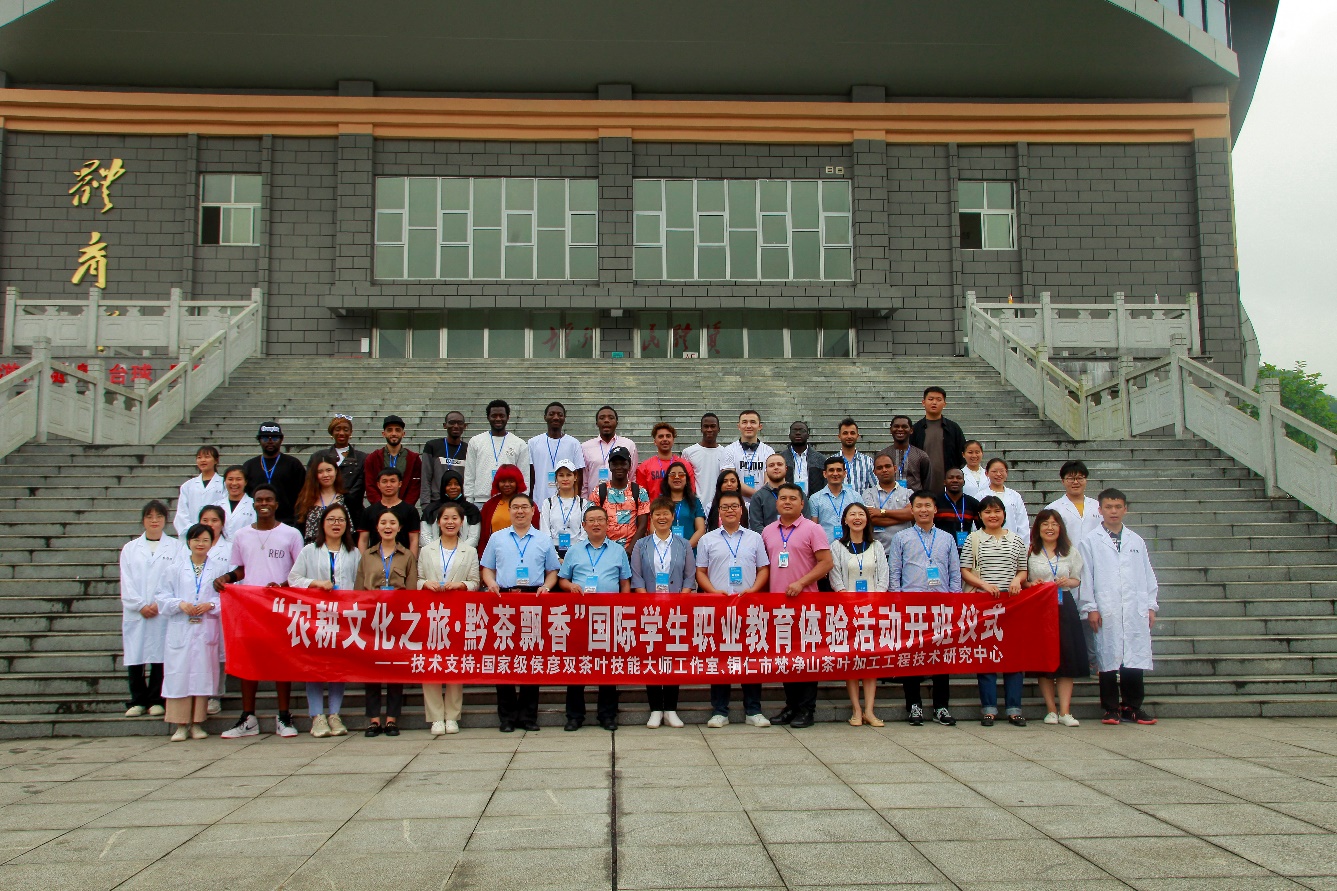
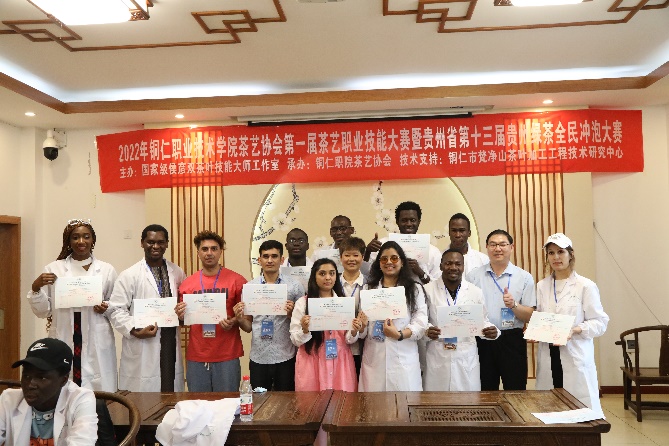
From June 17th to 18th, Tongren Polytechnic College hosted vocational education experience activities for international students from colleges and universities in Guizhou. Guizhou University organized 22 students from 12 countries including Pakistan, Russia, Gambia, Nigeria, and Kazakhstan to participate in this experience event themed “Agricultural Culture Tour & Tea Fragrance in Guizhou”.
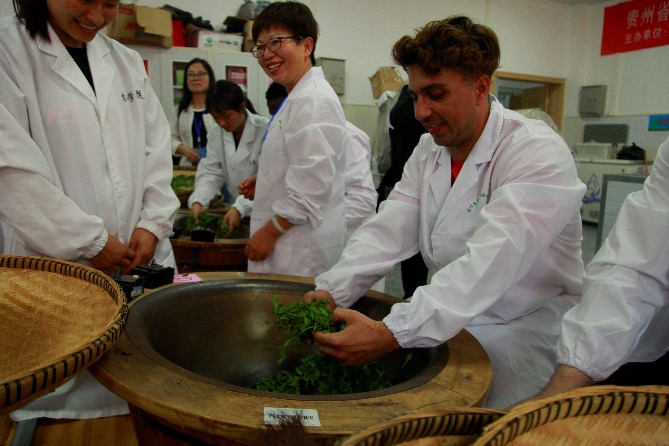
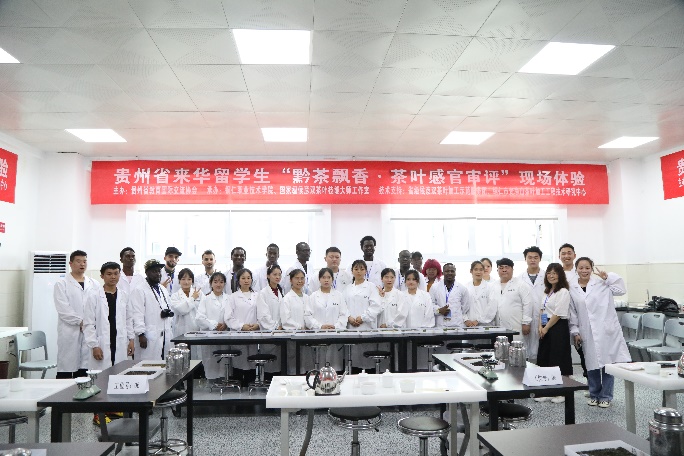
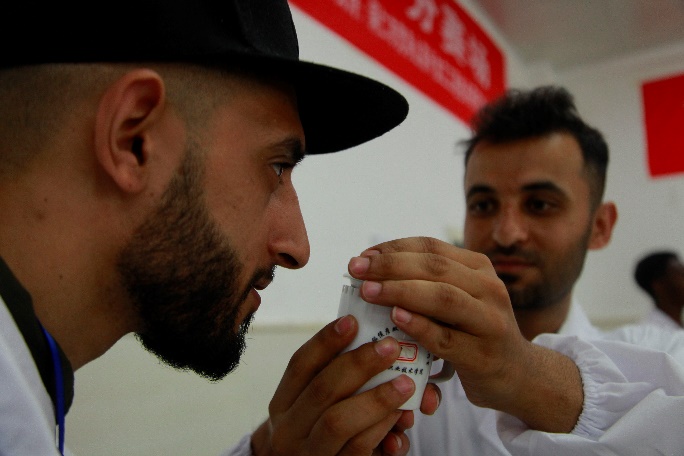
During the two-day event, the GZU international students first went to the workshop of the national-level master of tea skills, Professor Hou Yanshuang of the Department of Agriculture of Tongren Polytechnic College. Under the guidance of the master Hou Yanshuang and his team, the international students enjoyed a hands-on experience in tea-making and tea-brewing.
MAZHAR, a doctoral student from Pakistan, said: “I really enjoy the experience of tea-making by hands. I have experienced the tea-making procedure by hands many times, and I have even been to a similar tea research center in Pakistan. Such craftsmanship has a profound history.”
LAMIN, a student from Gambia, said: “I drink tea every day, and today I finally learned the procedure of tea-making, which is a fantastic experience. It is so surprising that my little “teacher” here is only 19 years old. Witnessing her hard work of toil and sweat, I feel that the craftsmanship is really not easy.”
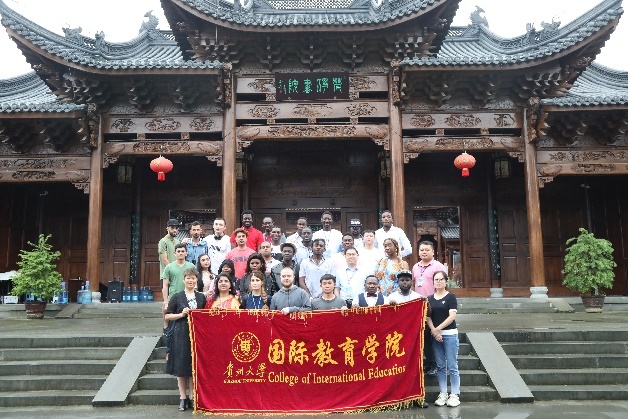
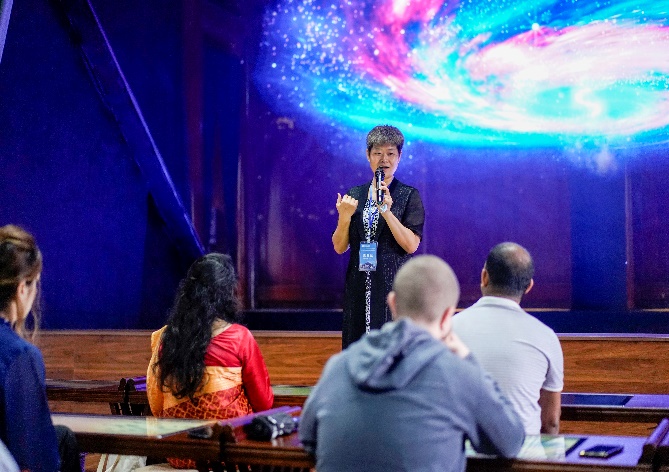
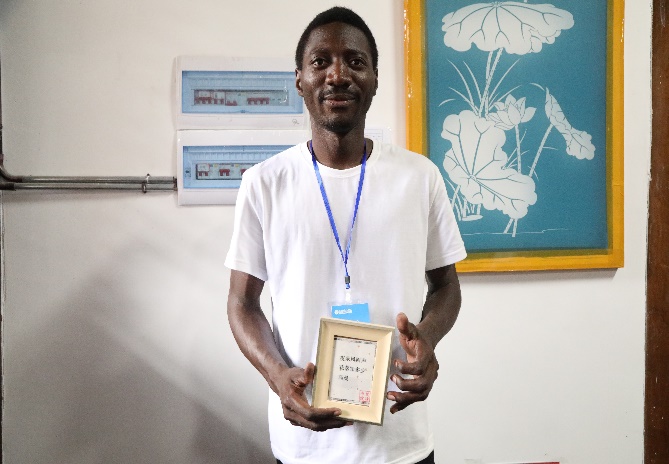
Afterwards, the international students went to the Fanjing Academy in the ancient city of Zhongnanmen, Tongren. In the Sinology Smart Exhibition Hall powered by 5D technology, the students had an immersed experience of traditional Chinese culture: “The Origin of Chinese Characters”, “A Dialogue with Confucius through Time and Space—'Is it not a joy to have friends visit from afar? Is it not the mark of a leader to remain unconcerned when others do not recognize your talents?’”, and “The Traditional Stories regarding the Origin of the Place Names in Tongren”, etc. After that, the students also experienced the technique of movable type printing, and based on that technique, they selected their favorite Chinese characters and verses and made the first movable type printed work in their life.
TUBA, a Bangladeshi student, nodded enthusiastically in front of the teacher’s explanation. She said, “Such digitized experience is striking. As a postgraduate student in Teaching Chinese to Speakers of Other Languages, I very much identify with the teacher’s explanation concerning the Confucian thoughts of “benevolence and love”.
DINIS, a student from Mozambique, holding his movable type print of the verse “After one night of wind and showers, how many are the fallen flowers”, said: “I can understand this poem, which carries a mixed feeling of both sadness and hope. Thanks to the printing techniques, it is possible for us to better feel and understand”
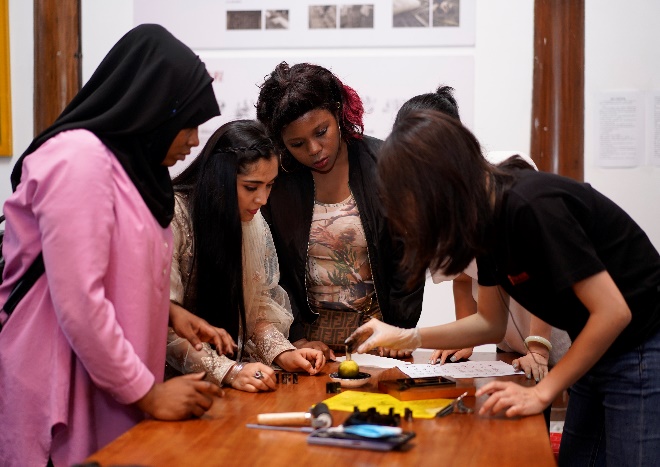
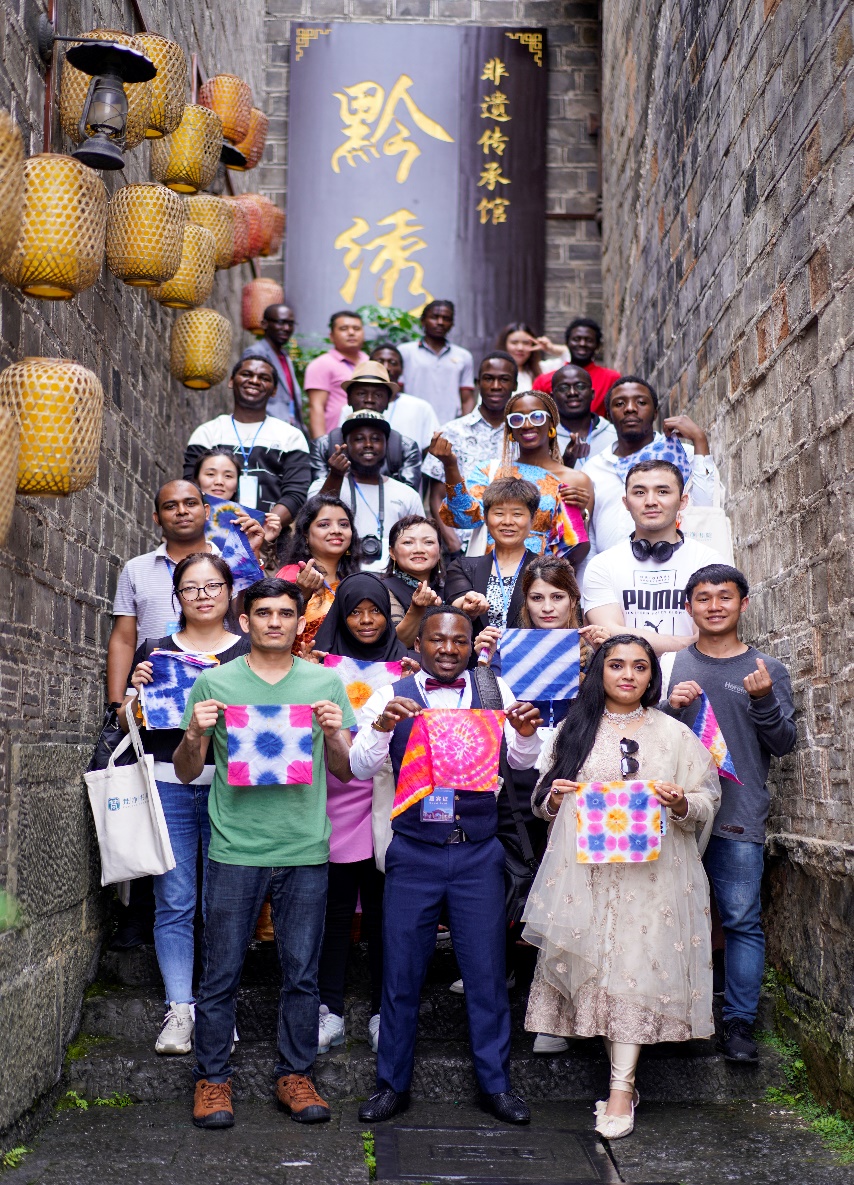
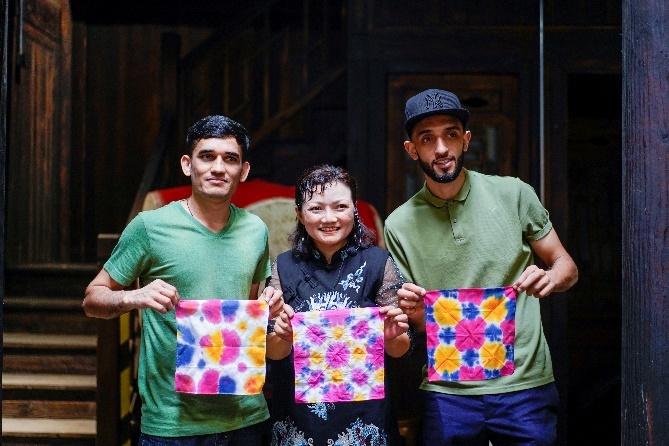
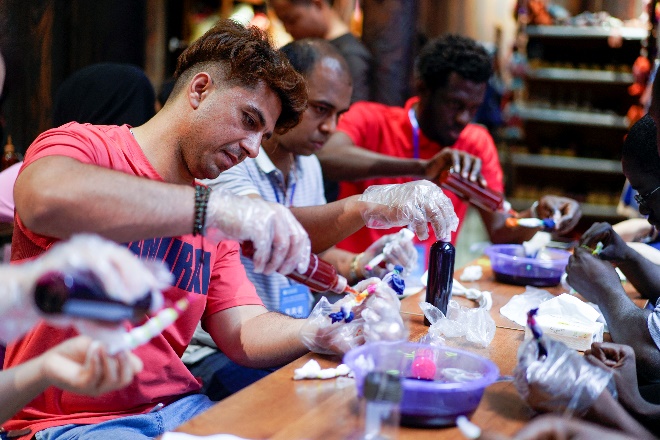
In the Jinxiufang workshop of the ancient city of Zhongnanmen, the masters of traditional tie-dye brocade introduced the time-honored tie-dye culture to the international students and guided them to experience the tie-dye procedure. Following the teacher’s explanation, the international students used rubber bands to tie the fabric, soaked the bundled fabric in water, and then put it into the fermented dye vat. When the dyed fabric was then brought out and washed clean by water, various unique tie-dye works were completed.
A Cameroon student held his tie-dye work and showed it to everyone playfully with an expression of contentment on his face. He said: “I want to give this work to my family and friends. It represents my unique feelings for them.”
“Through this event organized by the university, I had the chance to learn a lot of characteristic activities of the Chinese culture. The sessions of ‘the origin of Chinese characters’, ‘the movable type printing’ and ‘the tie-dye brocade” impressed me the most. Learning was intertwined with amusement in these activities, which brought a lot to me.” Said NJIE ALAGIE, a 2020-grade graduate student majoring in Fruit Science in College of Agriculture.
The two-day activities were rich and colorful. They successfully helped the international students to develop a new perspective of the current situation and achievements of Guizhou vocational education in terms of the inheritance and development of traditional cultures.